Five Days. Two Different Ways of Working.
Bird photography rarely gives us control over very much. We find the bird, look at the light and background, choose the best position we can, and hope the bird gives us an opportunity. For the first three days of this workshop, that's exactly how we'll work.
We'll photograph around the Phoenix area in several very different environments, including the wetlands at Gilbert Riparian Preserve, the Sonoran Desert, and Burrowing Owl habitat. These are uncontrolled environments where the birds and conditions dictate much of what happens. We'll work on recognizing good light and backgrounds, anticipating behavior, changing our position and perspective, and learning when all of those elements are beginning to come together.
After our Burrowing Owl session on Day 3, we travel south to Green Valley and change the way we work.
For the final two days at The Pond at Elephant Head, purpose-built photography hides, water features, natural perches, flowering plants, and other carefully designed setups give us the chance to think about the photograph before the bird arrives. We can study the light, look at the background, consider where a bird may land, and be ready when the opportunity happens.
That's what I think makes these five days interesting. We get to approach bird photography from both sides. First, learning to find the photograph in an uncontrolled environment, and then learning what happens when some of those variables can be anticipated.
The locations and the way we work will change, but the fundamentals won't. Light, behavior, background, perspective, and composition still matter.
The goal is for everyone to leave with some great photographs, but more importantly, with a better understanding of why those photographs worked and how to recognize those opportunities the next time you're in the field on your own.
“Christopher was extremely professional with good presentation skills. Very patient with the class and easy to be around. He is very knowledgeable of the area and got the class to the right place at the right time. I was able to capture some images that I am happy to have in my portfolio.”
“I attended the workshop with the goal to just have fun and get out in nature with my camera. Once we dug in, I was shocked and amazed at how much I learned in all aspects; Capture, culling and editing. The workshop was very organized and informative. At the end of the workshop I can honestly say that, YES...I did have fun, but I got so much more!”
“Really low key, fun, and fact filled workshop. Many great opportunities to practice technique and improve with help from the instructors.”
Workshop Overview
Length: 5 days
Group Size: Limited to 6 participants
Format: Field instruction + educational and editing sessions + private photography hides
Locations: Mesa, Gilbert, Sonoran Desert, and Southern Arizona
Skill Level: All experience levels are welcome.
This workshop is designed around practical skills you can continue using long after the workshop is over.
We will work on:
Reading and using natural light
Recognizing and creating clean backgrounds
Choosing the right shooting position and perspective
Working from low angles
Anticipating bird behavior
Understanding exposure in changing field conditions
Making intentional compositional decisions
Photographing birds within their environment
Working from purpose-built photography hides
Using natural perches and controlled photographic opportunities
Specialized wildlife photography techniques
Developing a practical image selection and post-processing workflow
The emphasis throughout the workshop will be on understanding why an image works and learning to recognize those opportunities before pressing the shutter.
Two Environments. One Approach.
One of the things I want to explore during this workshop is how our approach changes when we have control over some of the elements in a photograph, and how much stays exactly the same.
In the field, we are constantly making adjustments. A background that looked good from one position may fall apart when the bird moves. Getting a little lower may put distant vegetation behind the subject and completely change the image. The light may improve, disappear, or move across the scene. Much of field photography is learning to recognize those changes and respond to them.
At The Pond at Elephant Head, we have an opportunity to slow that process down. We can look at a perch before a bird lands on it, study the background behind it, see how the light is falling across the scene, and decide where we want to position ourselves. When the bird arrives, we're already thinking about the photograph rather than simply reacting to the bird.
What I like about putting these two experiences together is that one reinforces the other. Spending time thinking about light, backgrounds, perspective, and composition in a more controlled setting can make you more aware of those same things when you're back in an uncontrolled environment.
The circumstances may be different, but we're still trying to do the same thing: recognize when the elements come together and make the most of the opportunity.
What’s Included
Your workshop registration includes:
Five days of photography instruction
Guided morning and evening field sessions
Classroom and image-processing instruction
Group image review and critique
Individual instruction in the field
Two full days of private wildlife photography at The Pond at Elephant Head
Access to pond and mountain photography areas
Purpose-built photography hides
Natural and native perch setups
Water photography setups
Hummingbird photography opportunities
Specialized evening wildlife photography opportunities
Specialized lighting and equipment provided for certain photography setups
Small group instruction limited to six photographers
What’s Not Included
Participants are responsible for:
Transportation to Arizona
Transportation during the workshop
Lodging
Meals
Personal camera equipment
Travel or equipment insurance
Incidental expenses
The Five-Day Experience
Opening Evening | Orientation & Foundations
We will begin with an evening classroom session in Mesa.
This is our opportunity to get to know one another, make sure everyone is prepared for the week ahead, and establish some of the concepts we will be working on throughout the workshop.
We will cover camera setup, exposure, autofocus, working with natural light, backgrounds, perspective, bird behavior, and preparing for changing field conditions.
Most importantly, we will begin talking about making intentional photographs rather than simply reacting to whatever appears in front of the camera.
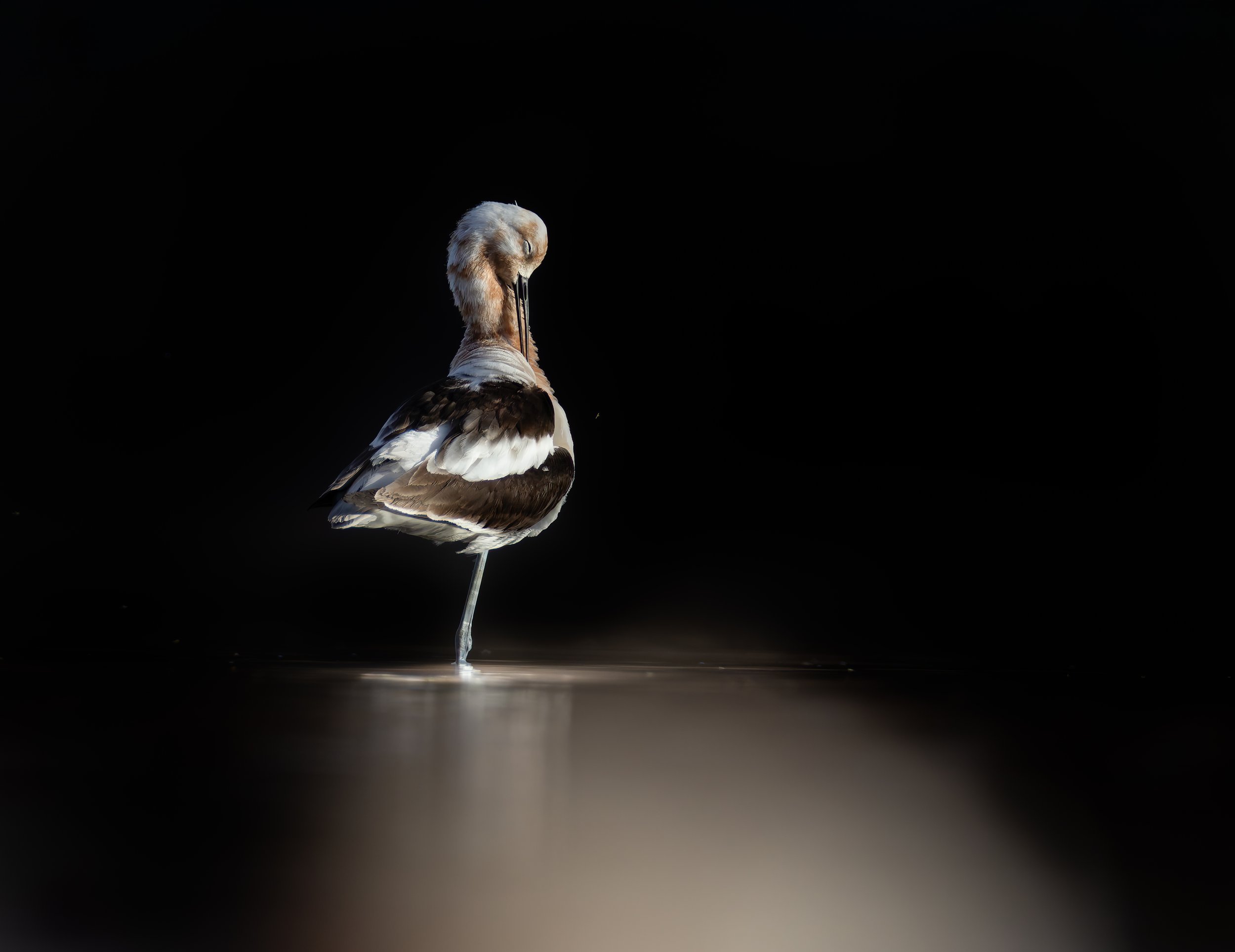
Day 1 – Shorebirds & Waders
Morning
Our first field session takes place at Gilbert Riparian Preserve.
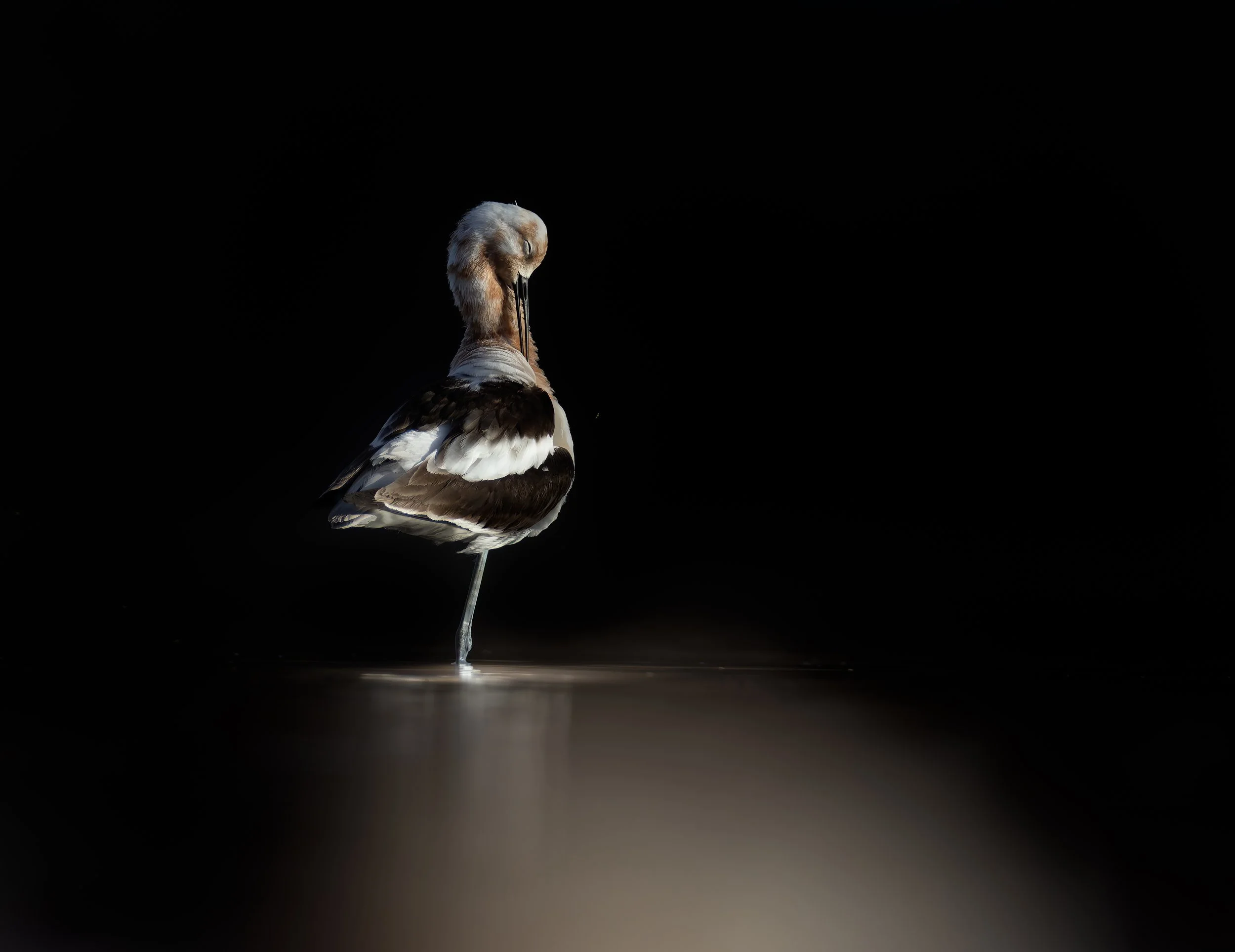
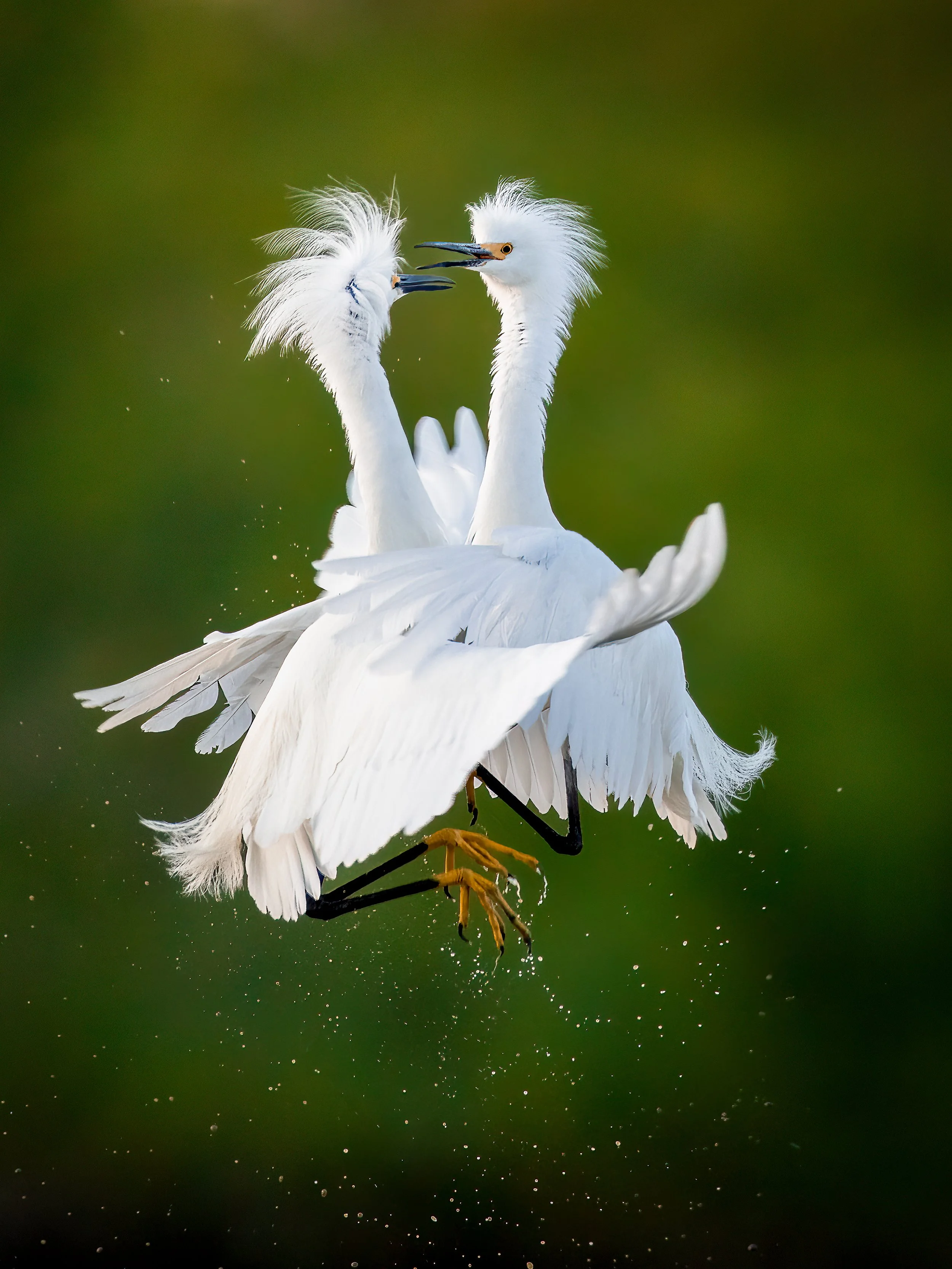
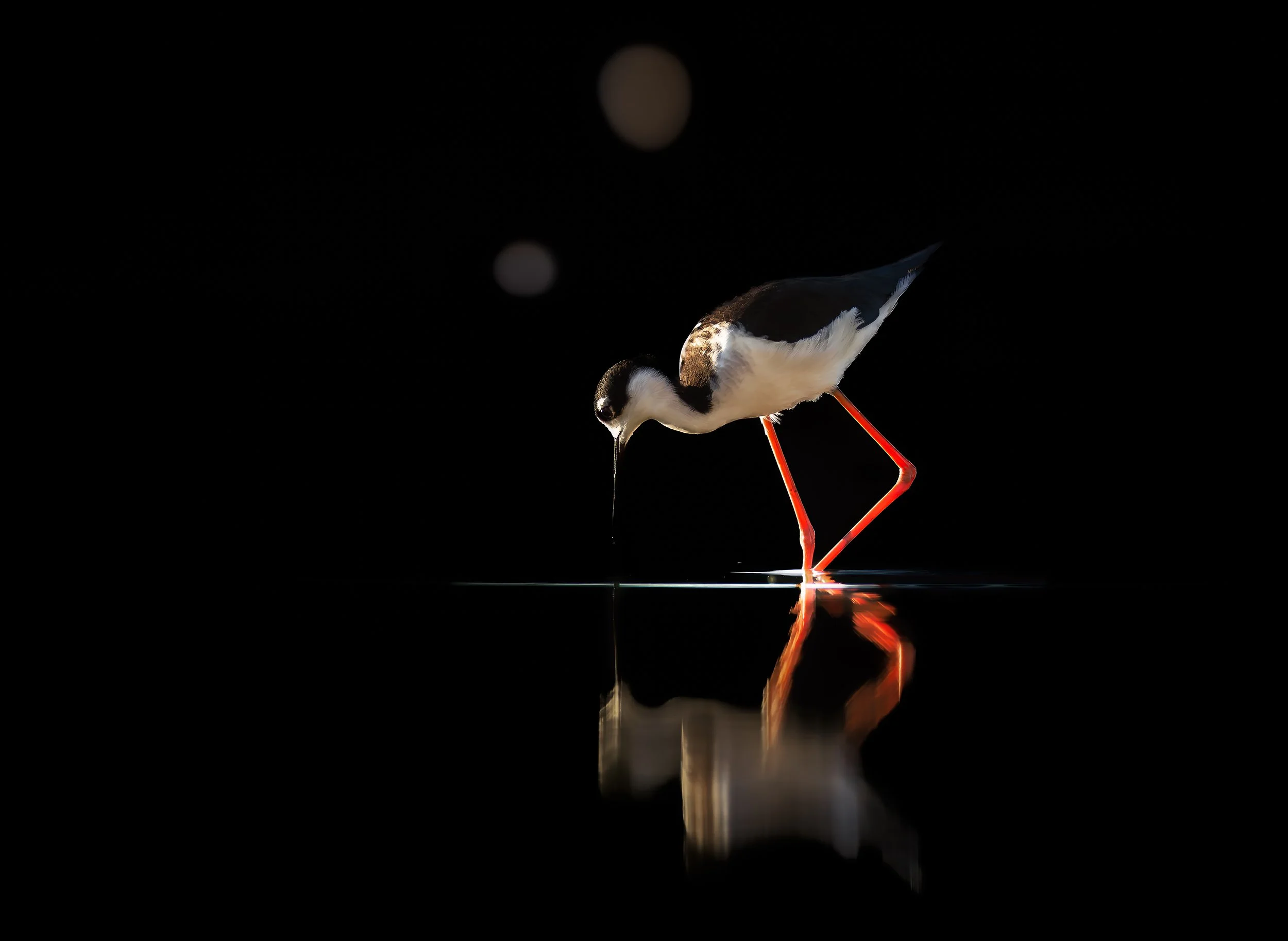
We will photograph shorebirds and waders that may include American Avocets, Black-necked Stilts, Snowy Egrets, Greater Yellowlegs and other seasonal species.
This session emphasizes working with soft morning light, low-angle perspectives, clean backgrounds and natural behavior.
The goal isn't simply to photograph the bird. We will work on recognizing the elements that turn an encounter into a photograph.
Afternoon
Editing and image review using photographs captured during the morning session.
Topics include:
Image selection and culling
Exposure and tonal balance
Composition
Background evaluation
Workflow fundamentals
Evening
Return to the field to photograph under different light and environmental conditions.
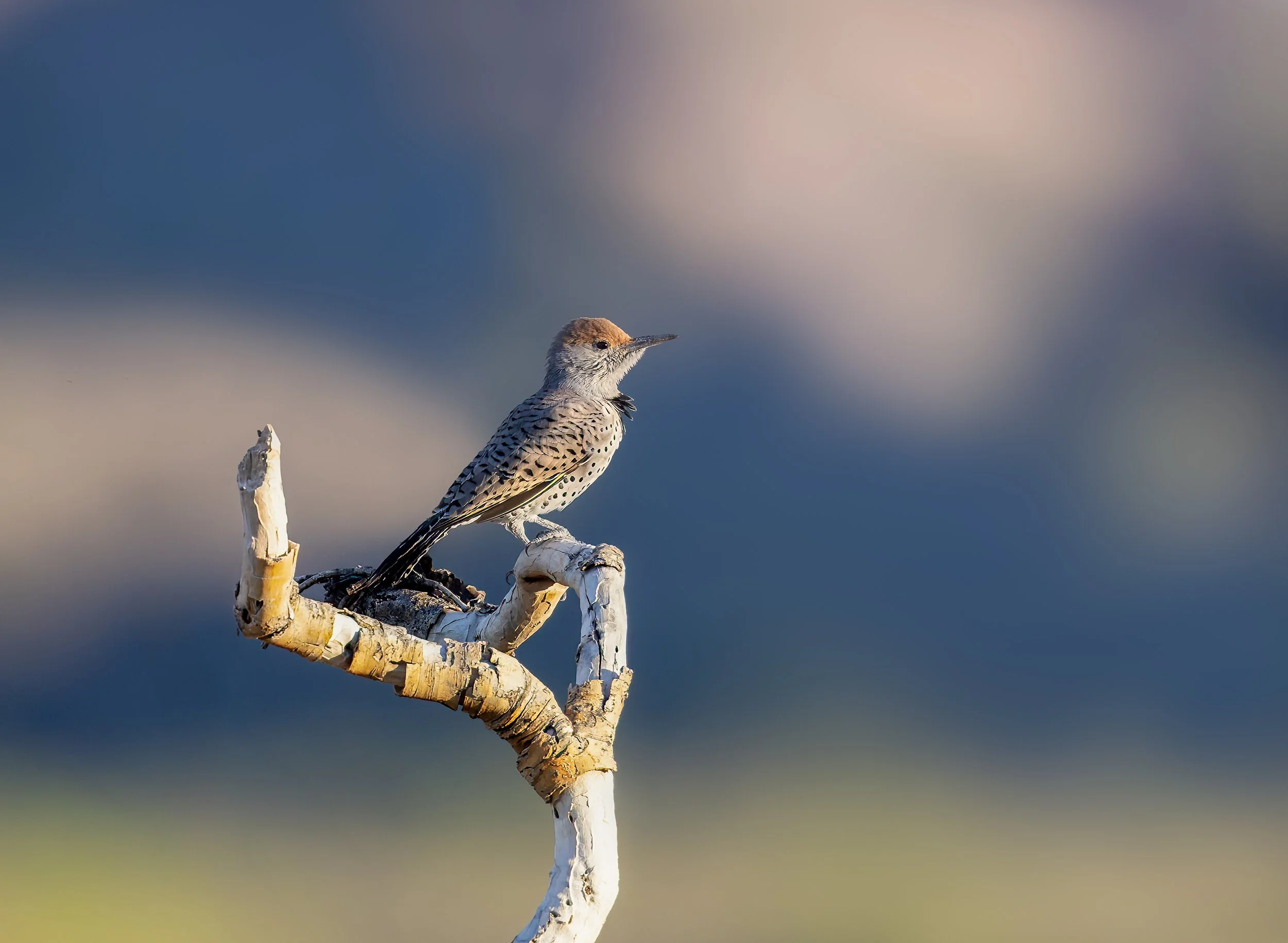
Day 2 – Birds of the Sonoran Desert
Morning
We move into the Sonoran Desert for an early morning field session.
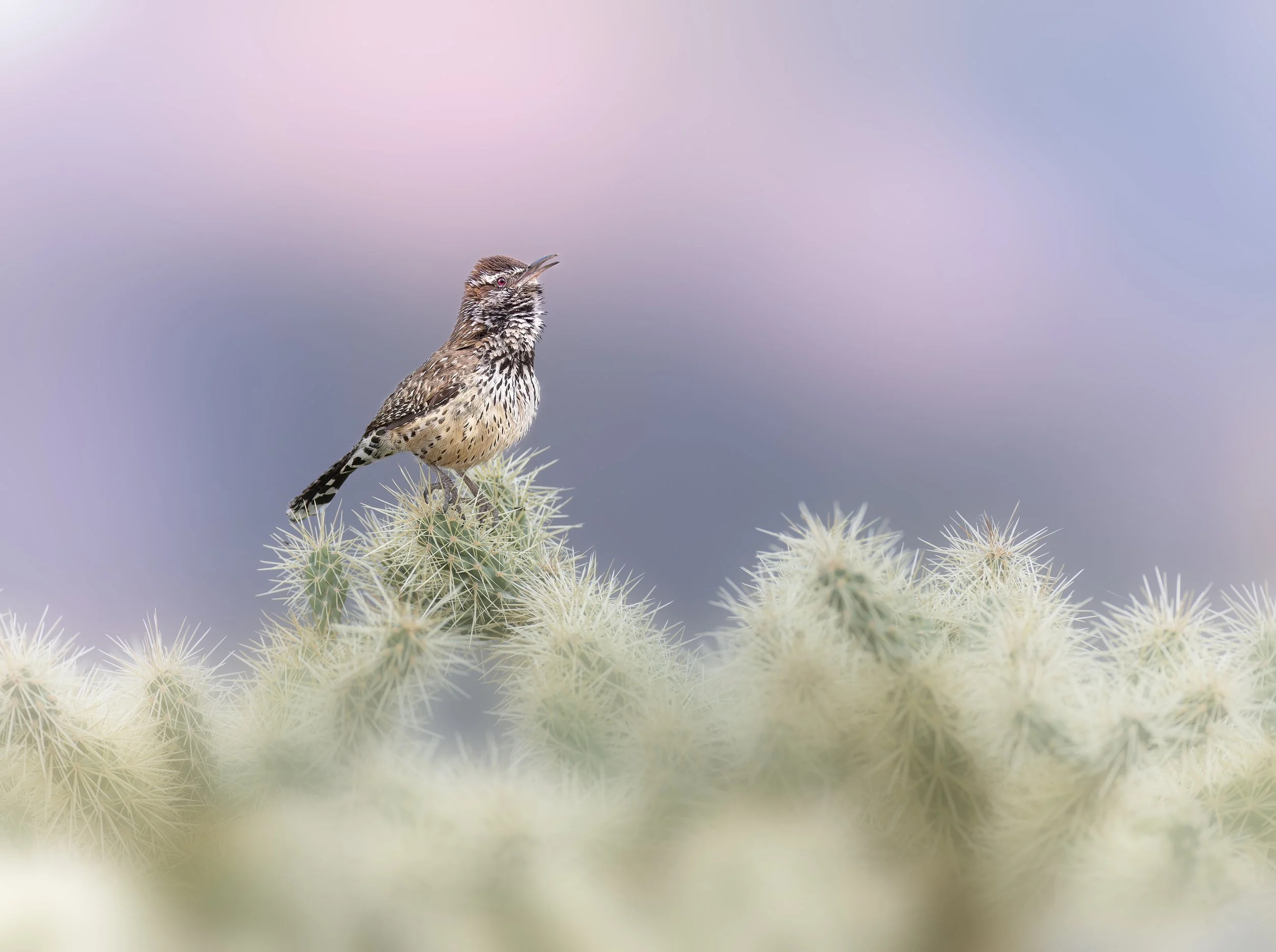
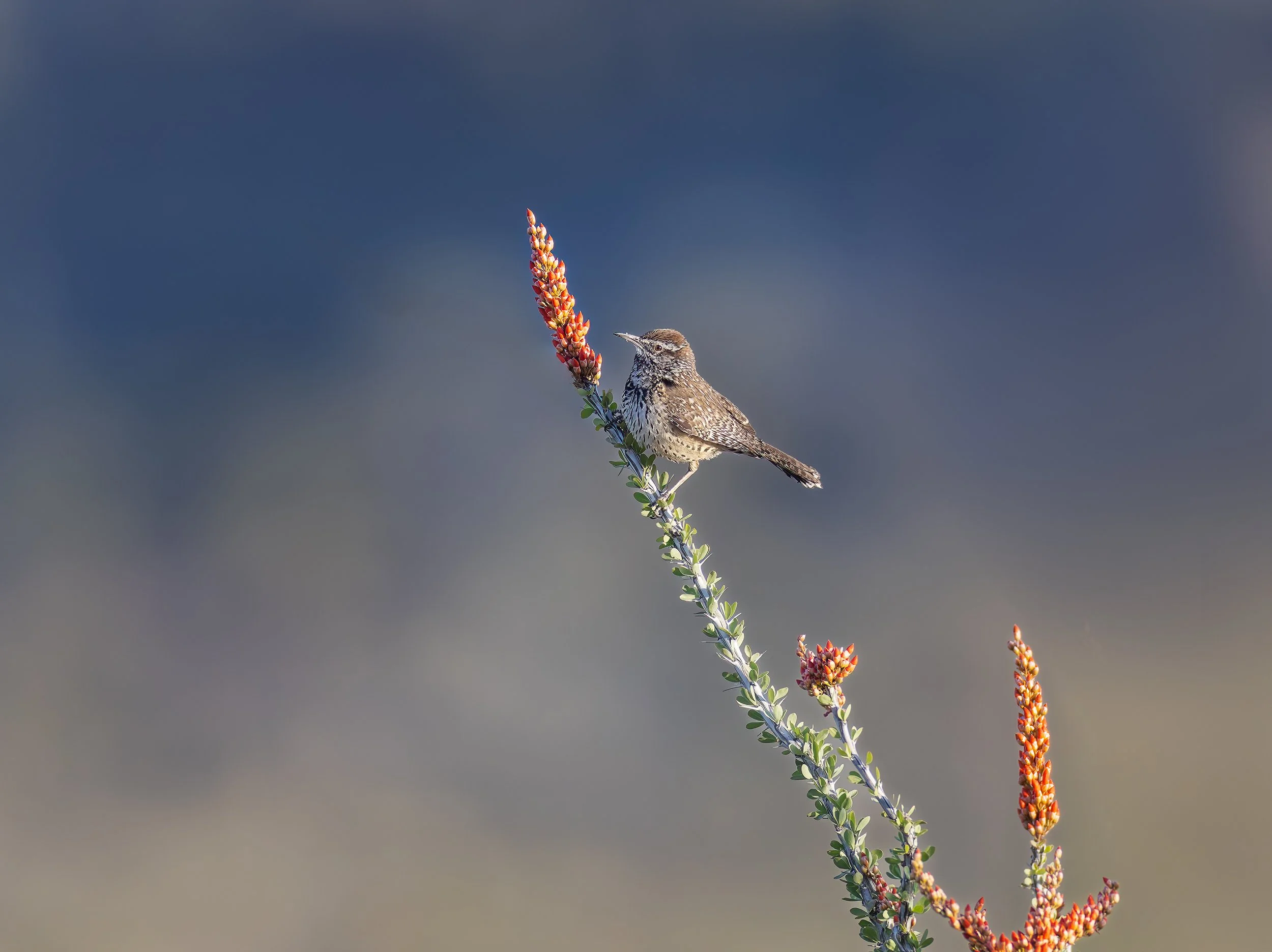
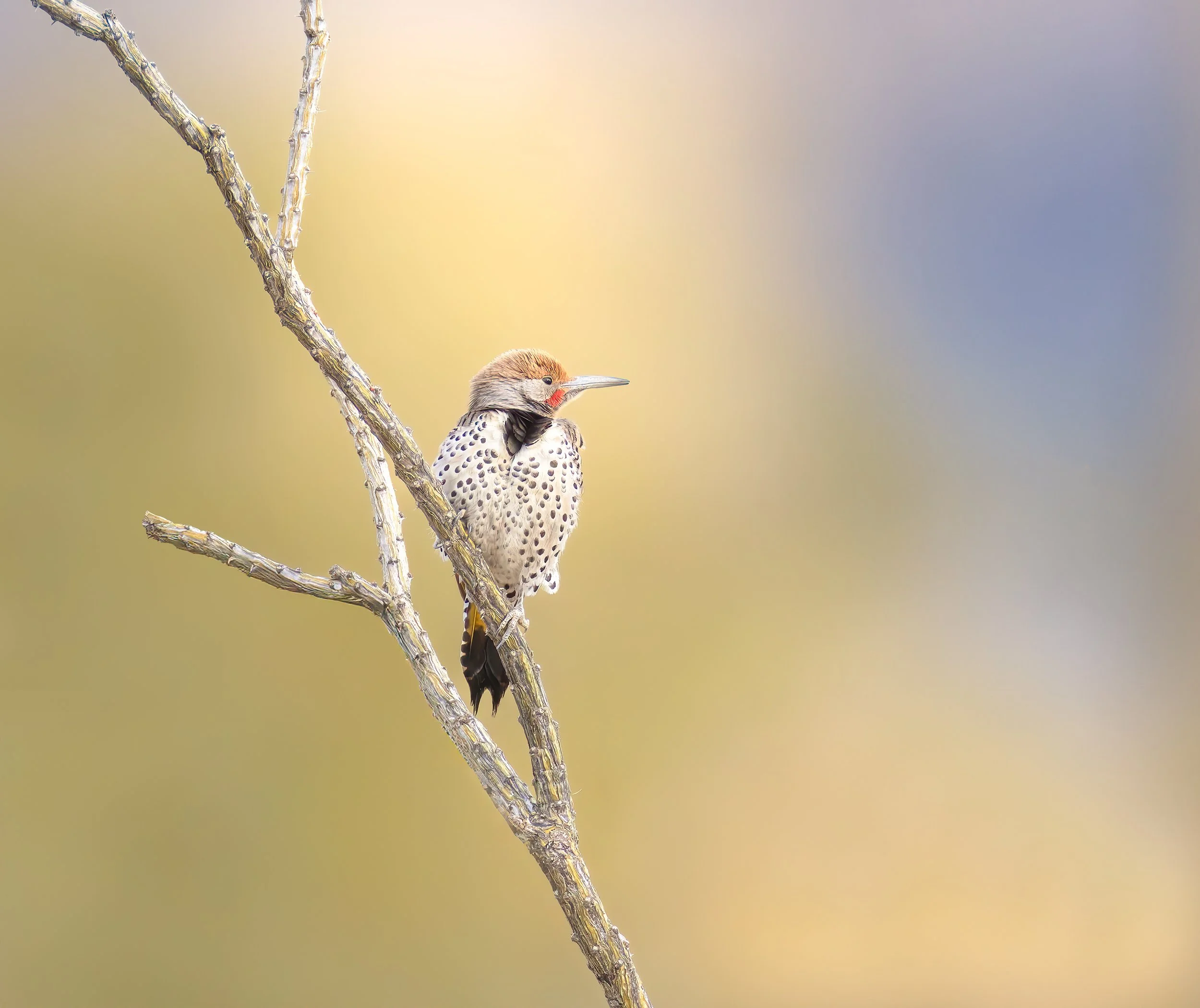
Potential subjects include Cactus Wrens, Black-throated Sparrows, Gilded Flickers and other resident and seasonal desert species.
Our emphasis shifts toward working with more complex environments while paying close attention to backgrounds, subject isolation, directional light and environmental composition.
Afternoon
Editing session and group image critique.
We will work through images from the first two days with an emphasis on identifying what worked in the field, what could have been done differently and how those decisions affect the final image.
Evening
Return to the desert for an evening session emphasizing warm directional light, changing backgrounds and potential silhouette opportunities.
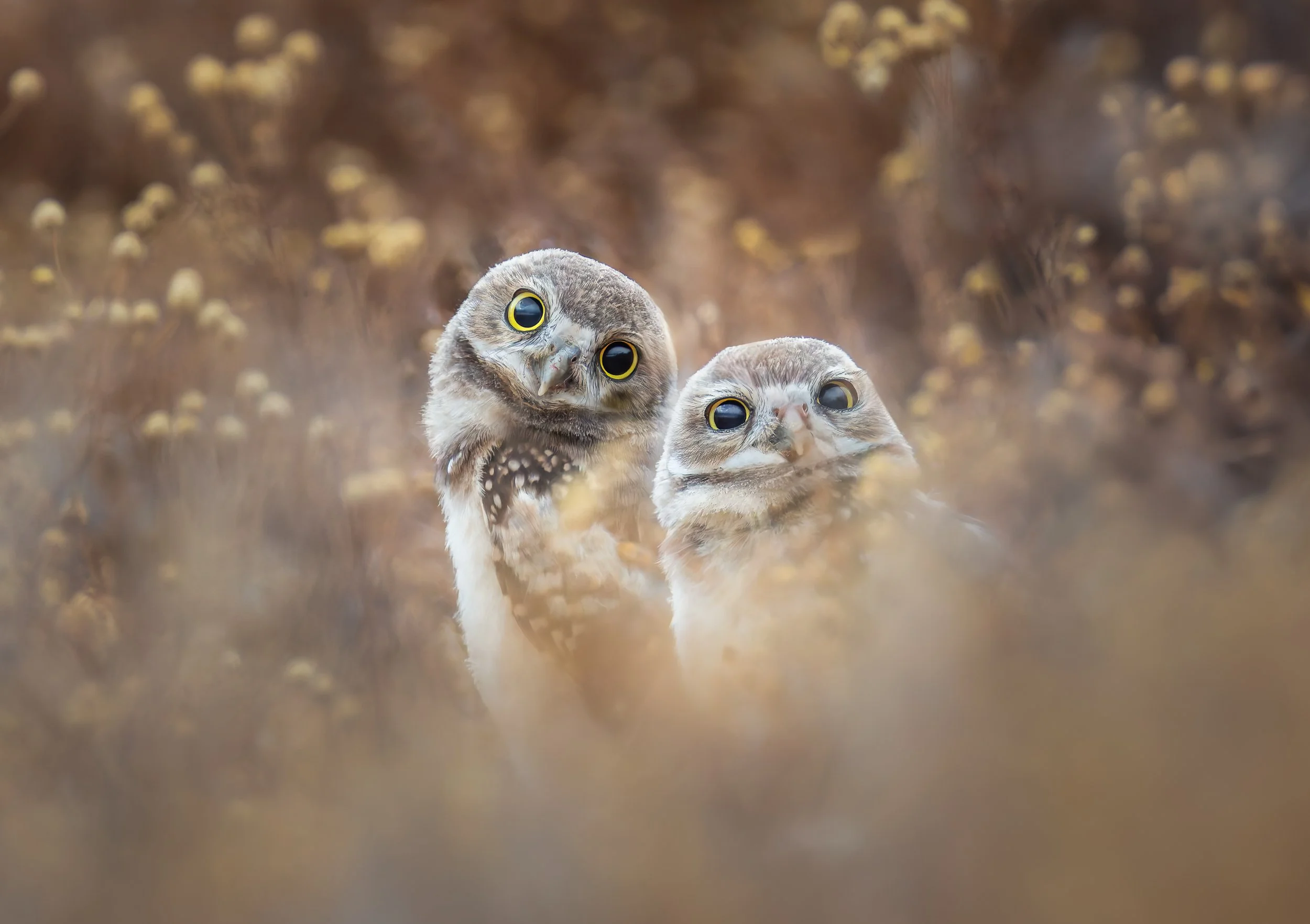
Day 3 – Burrowing Owls & The Road South
Morning
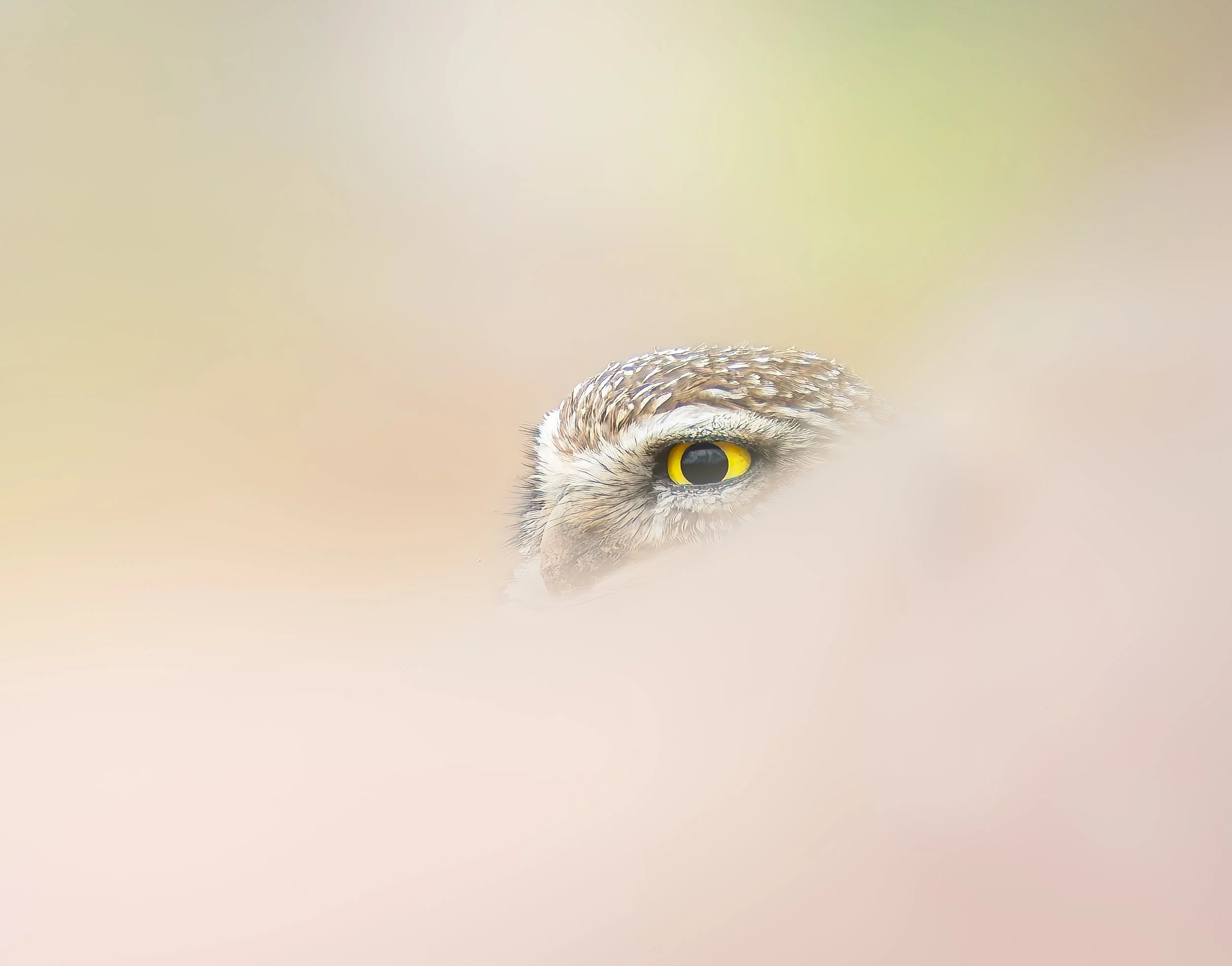
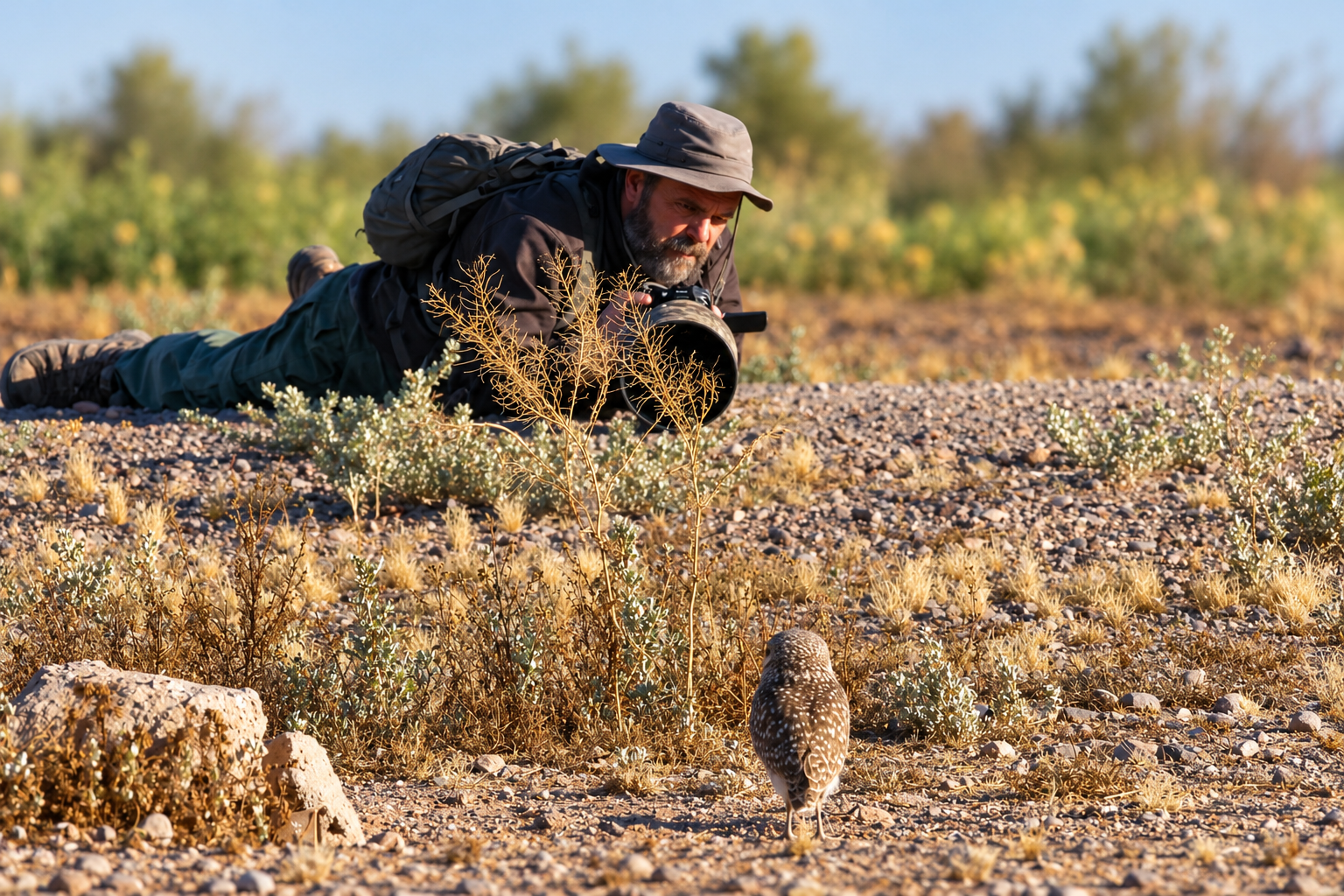
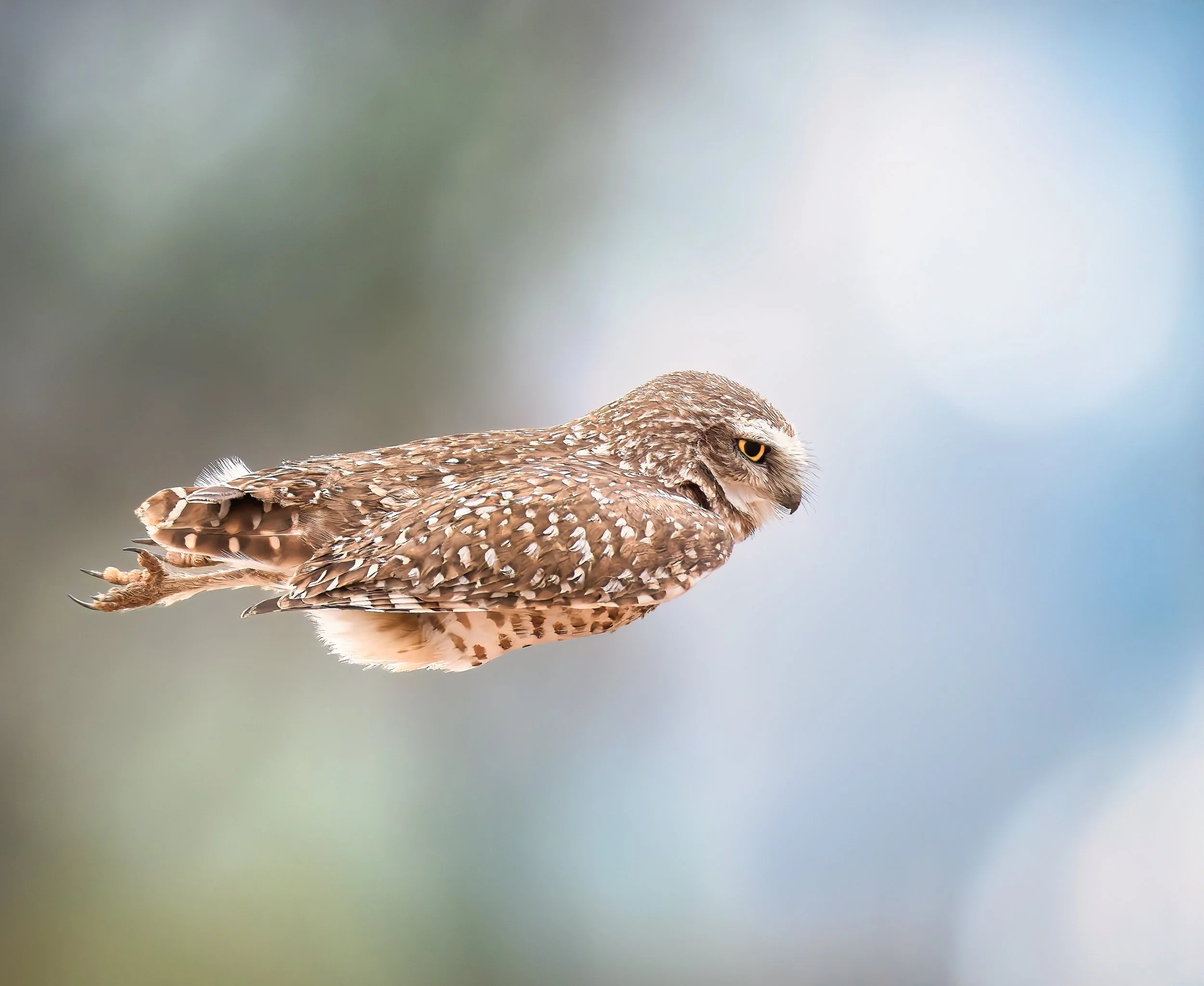
Our final Phoenix-area field session focuses on one of Arizona's most charismatic birds: the Burrowing Owl.
We will work at eye level whenever conditions allow, paying particular attention to perspective, behavior, background selection and changing morning light.
Midday
Following the morning session, participants will have time for lunch, packing and preparation for the second half of the workshop.
Afternoon
We leave the Phoenix area and travel south toward Tucson and Green Valley.
Participants will check into their Southern Arizona accommodations for two nights.
Evening
Rather than scheduling another intensive field session, the evening will give everyone an opportunity to have dinner, prepare equipment and discuss the very different style of photography we will begin the following morning.
We will review hide etiquette, equipment setup, photographic strategy and what to expect during our time at The Pond at Elephant Head.
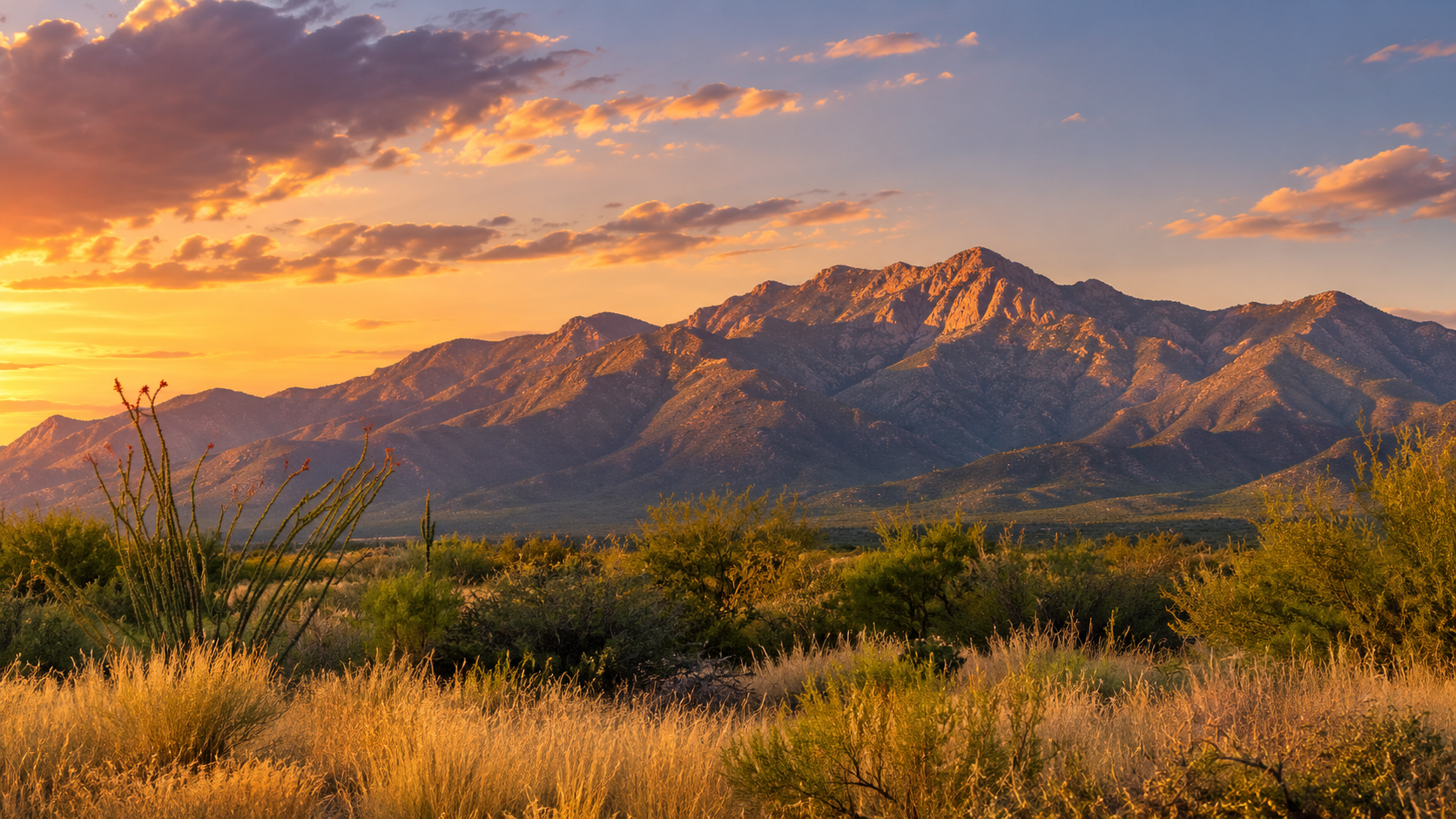
Day 4 – The Pond at Elephant Head
We start early.
Our first morning at The Pond at Elephant Head will have us in the photography hides before the morning activity gets underway.
The approach here is quite different from our first three days. Rather than moving through an area looking for birds and trying to find the best angle or background, we will be working from photography areas that have been built specifically for wildlife photography.
Morning
We will spend the morning photographing from the hides and working with the natural perches, water features, feeding areas and backgrounds around the property.
One of the advantages of working this way is that we have time to study a setup before the bird arrives. We can look at the direction of the light, evaluate the background, anticipate where a bird might land and have our exposure and camera settings ready.
It gives us an opportunity to be much more deliberate about the photograph we are trying to make.
Afternoon
After a midday break, we will return to the property and work with some of the other photography areas and setups.
What we photograph will depend on the activity that day, but possibilities include hummingbirds, desert songbirds, water features, natural perch setups, reptiles and other wildlife using the property.
Evening
We will plan to stay into the evening because some of the most interesting opportunities at The Pond can happen after the sun begins to go down.
March was chosen in part because some of the more desirable bat species typically begin returning to the property around this time of year.
If conditions and wildlife activity cooperate, we may have an opportunity to photograph owls and bats using specialized lighting and high-speed triggering equipment provided at The Pond. This is very different from the photography we will have been doing earlier in the workshop and gives us a chance to work with techniques that most bird photographers don't often get to experience.
Of course, wildlife makes the final decision. Specific species, behaviors and photographic opportunities can never be guaranteed.
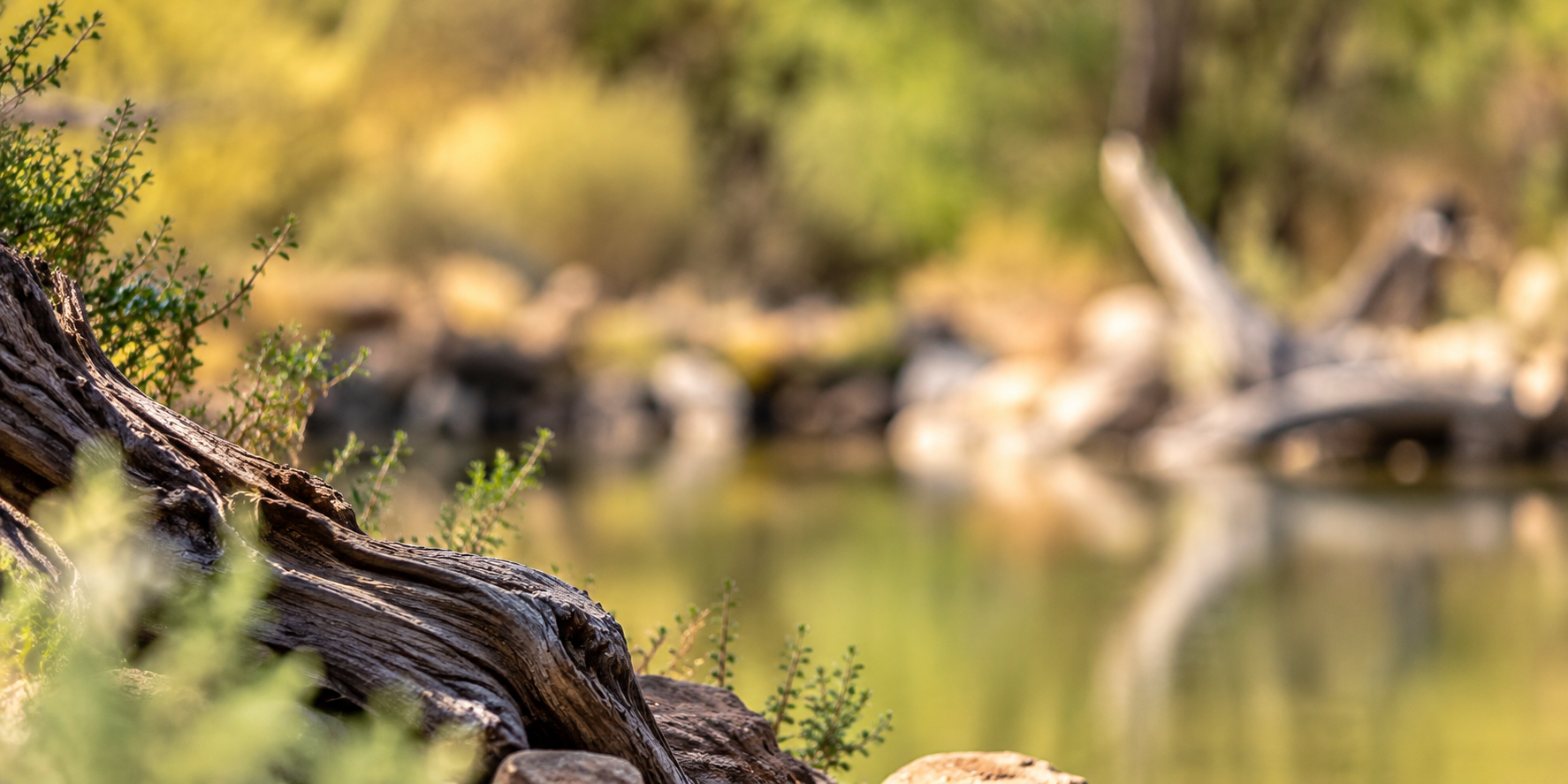
Day 5 | Hides, Light & Intentional Image Making
We return to The Pond for another full day of photography.
Having already spent a day learning the locations and setups, our second day gives us an opportunity to be even more deliberate.
Participants will rotate through different positions and photography areas, providing opportunities to work with different backgrounds, light, perches, and subjects.
By this point in the workshop, many of the things we've been working on throughout the week should begin coming together. Rather than concentrating only on whether the bird is sharp, we'll be looking at the entire frame. We'll consider the light, background, perspective, behavior and composition, and perhaps most importantly, whether we should make the photograph now or wait for something better.
Depending on conditions, our final day may again include hummingbirds, desert birds, reptiles, owls, bats, and other wildlife opportunities.
The subjects may change throughout the week, but the way we approach the photograph remains remarkably consistent.
Our workshop concludes on March 5 following our final photography session at The Pond. Depending on your travel plans, you may want to spend one additional night in Southern Arizona before heading home.
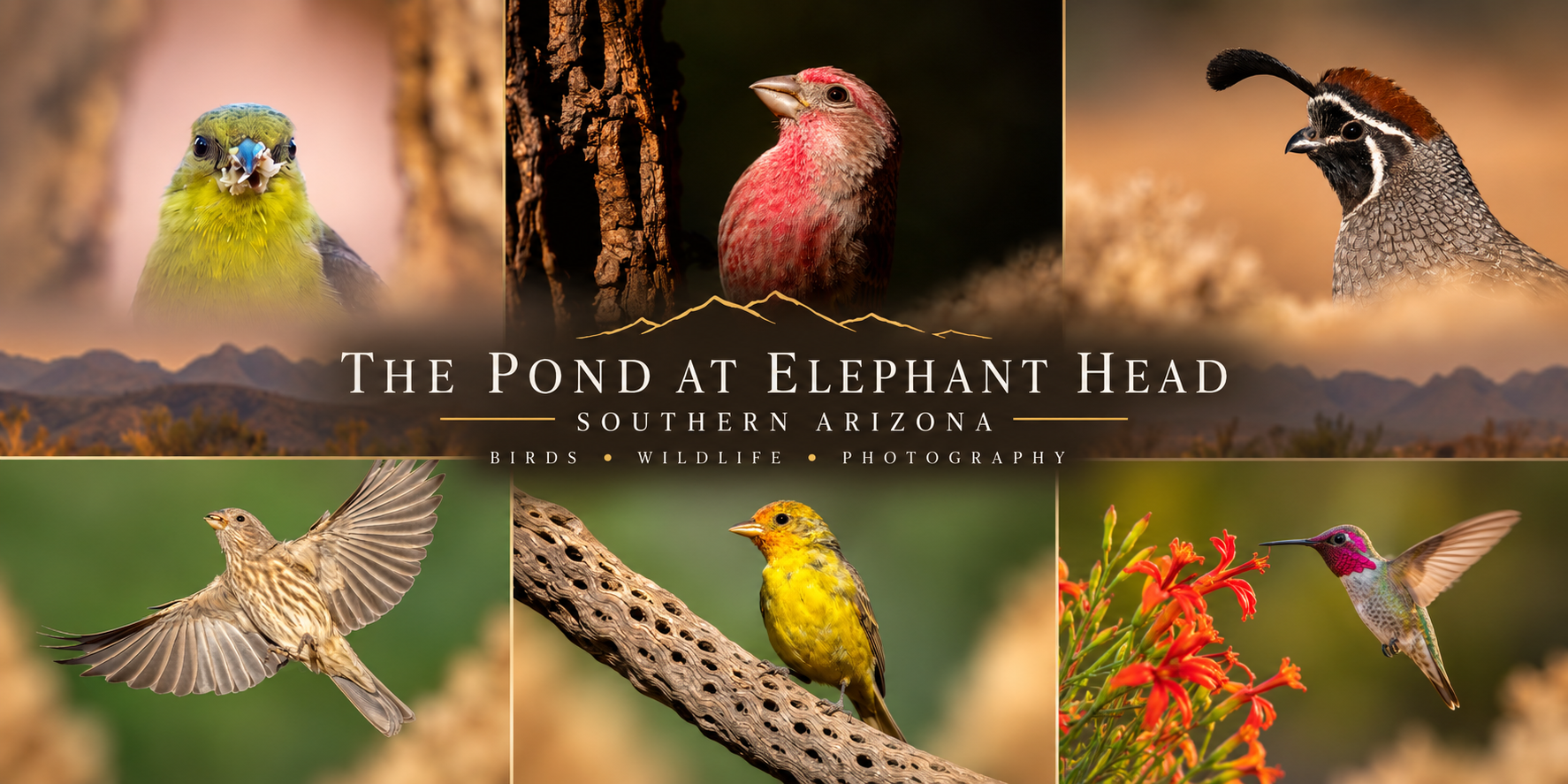
About the Pond at Elephant Head
Located near Green Valley and the Santa Rita Mountains in Southern Arizona, The Pond at Elephant Head is a private wildlife photography sanctuary designed from the ground up with photographers in mind.
The property is owned and operated by Dano Grayson, a biologist, field researcher, naturalist, and wildlife photographer and videographer. That combination of experience shows in the way the property has been developed. This isn't simply a place where birds are attracted to feeders. Considerable thought has gone into where photographers will be positioned, where birds are likely to land, how the backgrounds will look, and how the light will work throughout the day.
Our group will have access to two different photography areas, including pond and mountain settings. Purpose-built hides place us close to the activity while allowing the wildlife to go about its normal behavior. Natural perches, water features, flowering plants, nectar feeders, seed, and suet help create opportunities with many of the resident and seasonal species found in Southern Arizona.
For me, one of the most interesting parts of photographing here is having time to really study a scene. We can watch how the light falls on a particular perch, look at the background from different positions, and think about composition before a bird ever enters the frame. It gives us an opportunity to work through many of the same decisions we make in the field, but without having to make all of them in a matter of seconds.
The opportunities aren't limited to traditional bird photography either. Depending on activity and conditions, we may photograph hummingbirds, desert songbirds, owls, reptiles, bats, and other wildlife. Dano also has specialized lighting and triggering equipment that allows us to work on techniques such as high-speed bat photography and other types of photography that most of us don't have the opportunity to try very often.
The Pond has become a destination for wildlife photographers for good reason. It gives us access to a wide variety of subjects and photographic situations while still working with wild animals in a natural environment. After spending our first three days working entirely in the field, I think it will be a great place to put many of the things we've been discussing throughout the week into practice in a completely different setting.
As with any wildlife photography, species and activity will vary with weather, season, and natural conditions, so no particular species or behavior can be guaranteed.
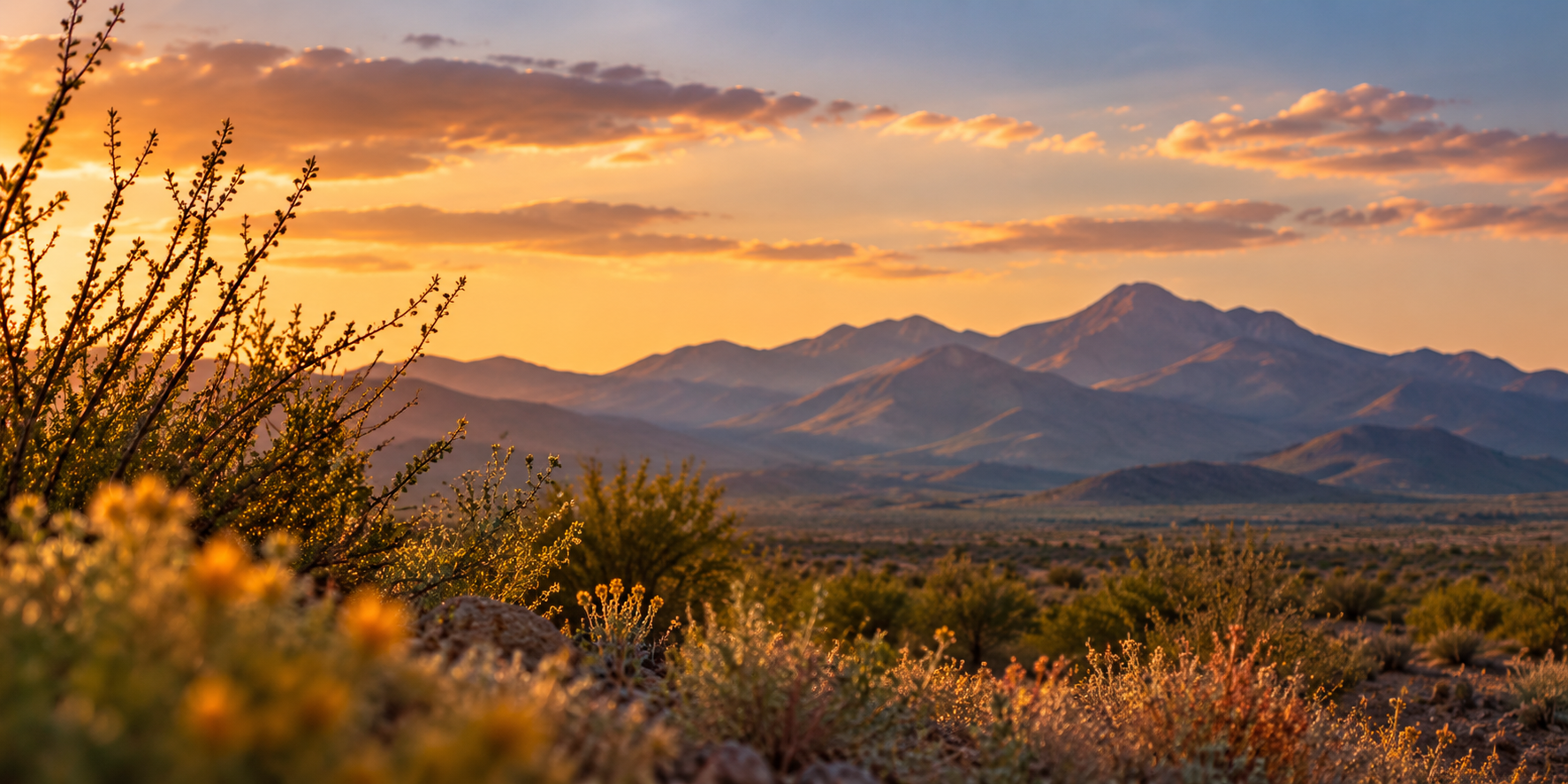
Five Days. More Than a Checklist.
This workshop isn't about how many species we can check off a list. It's about spending five days in the field working on the things that consistently make us better bird photographers.
We will photograph in wetlands, the Sonoran Desert, around Burrowing Owl habitat, and eventually from purpose-built photography hides in Southern Arizona. Each location presents a different set of challenges and opportunities.
Some mornings we may be working from ground level, trying to find the right angle and a clean background. At the hides, we may spend time watching the light on a particular perch and waiting for a bird to give us the moment we're looking for.
The locations and subjects will change throughout the week, but the things we're paying attention to won't.
Light, behavior, backgrounds, perspective, and composition still matter.
The goal is to leave the workshop not only with some great photographs, but with a better understanding of how to recognize and create those opportunities the next time you're in the field on your own.
Investment
Early Registration
$2,495 per photographer
Available through December 15, 2026
Standard Registration
$2,995 per photographer
Applies after the early registration deadline.
A $750 deposit reserves your place in the workshop and is applied toward the total workshop fee.
The remaining balance is due January 15, 2027
Registration is not complete and your space is not reserved until the deposit has been received.
Because this workshop includes private photography locations and advance reservations, participation is limited to only six photographers.
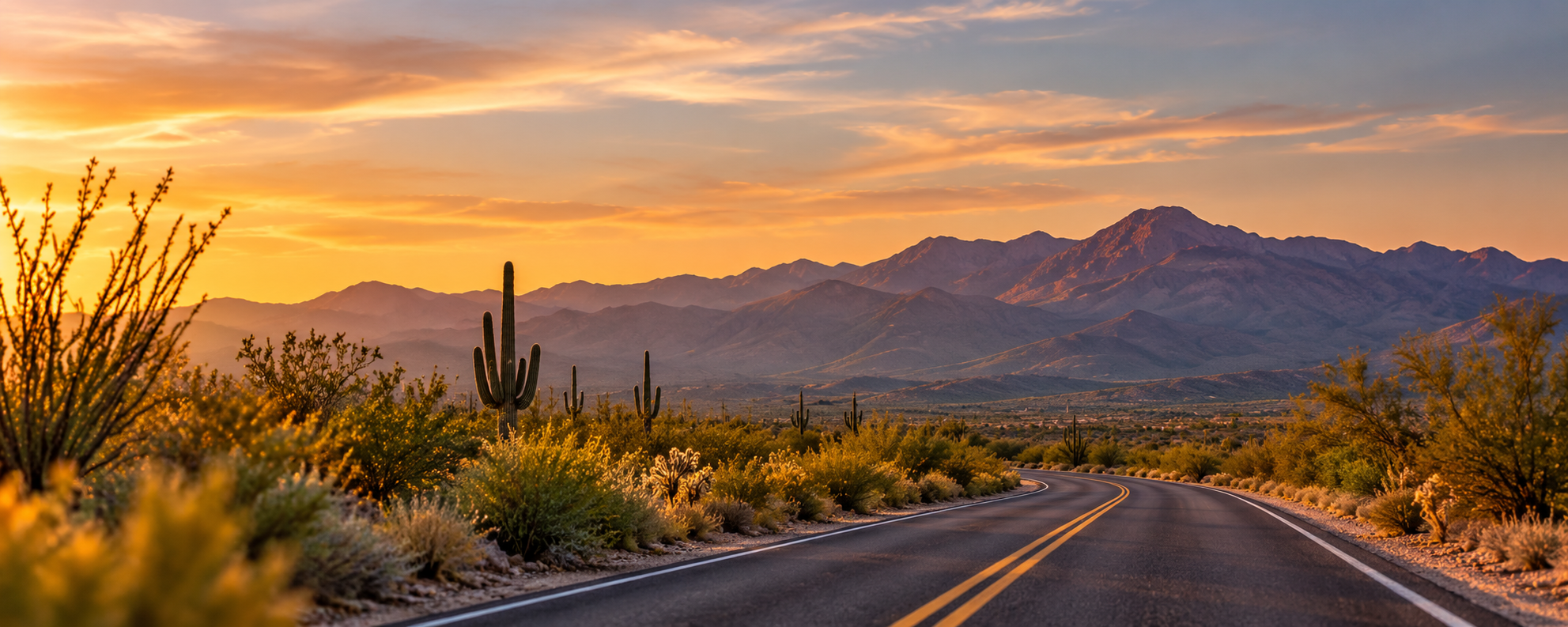
Lodging & Transportation
This workshop takes place in two regions of Arizona.
For the first portion of the workshop, participants should plan to stay in the Mesa or Gilbert area.
Following our Burrowing Owl session on Day 3, we will travel approximately two hours south toward Tucson and Green Valley.
Participants will need two nights of lodging in Southern Arizona so that we can reach The Pond at Elephant Head well before sunrise on Days 4 and 5.
We will provide a recommended hotel for the Southern Arizona portion of the workshop. While participants are not required to stay at the group hotel, doing so will make our early morning departures and group logistics considerably easier.
Participants are responsible for their own transportation throughout the workshop.
We may coordinate carpooling among participants when practical, particularly for the Southern Arizona portion of the workshop.
Specific meeting locations, hotel recommendations, travel information, and daily departure times will be provided to registered participants before the workshop.
Cancellation, Weather & Transfer Policy
A $750 deposit is required to reserve your space.
The deposit is refundable until 90 days before the first day of the workshop, less any non-refundable credit card or processing fees.
Registrations received after November 30, 2026, require a nonrefundable deposit
Beginning 90 days before the workshop, the deposit becomes non-refundable.
The remaining workshop balance is due January 15, 2027.
Because this workshop requires advance commitments for private photography locations and other arrangements, payments made after the final payment deadline are non-refundable unless your space can be filled by another participant.
If you are unable to attend, you may contact us regarding transferring your registration to another photographer.
If Birds & Backroads must cancel the workshop, all workshop fees paid to Birds & Backroads will be refunded.
Weather is part of wildlife photography, and field locations or schedules may be adjusted when necessary because of weather, wildlife activity, safety, or changing conditions.
Specific species, behaviors, lighting conditions, or photographic opportunities cannot be guaranteed.
We strongly recommend purchasing appropriate travel insurance if you are traveling to Arizona specifically for the workshop.
Recommended Gear
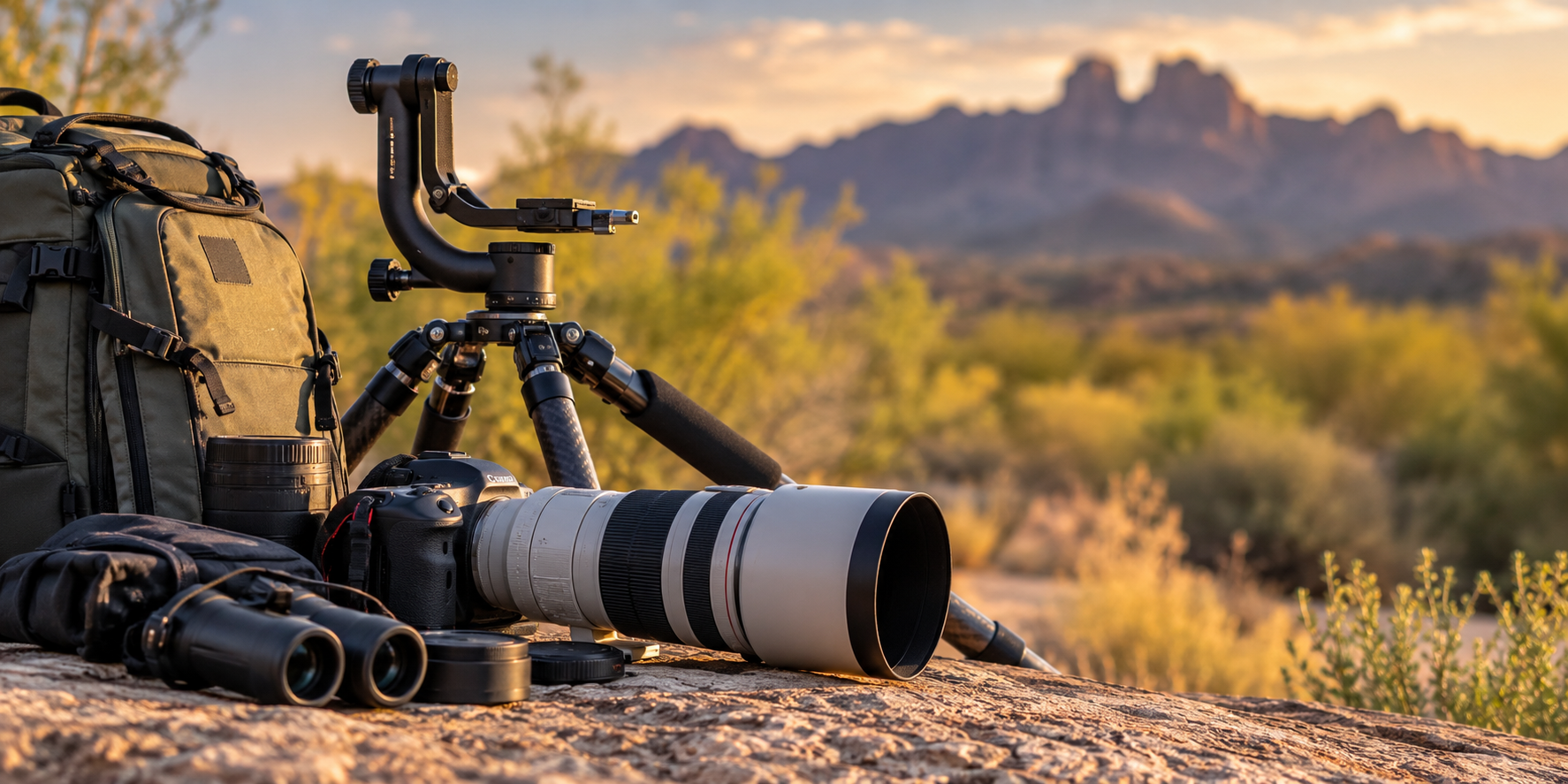
You do not need the newest or most expensive equipment to participate in this workshop. You should, however, be familiar with the basic operation of your camera before arriving.
Camera & Lenses
DSLR or mirrorless camera
Telephoto lens of at least 300–400mm
Longer lenses are welcome and will be useful
Mid-range or wider lens if you would like to explore environmental compositions
Second camera body if available
Camera Support
Tripod
Gimbal or other appropriate telephoto head
Ground pod or low-profile support for low-angle field photography
Shutter release cable for specialized photography setups
Power & Storage
Extra camera batteries
Plenty of memory cards
Battery chargers
Laptop
Card reader
External storage if needed
Editing
Participants should bring a laptop with Adobe Lightroom Classic, Photoshop, or their preferred editing software installed.
Our demonstrations will primarily use Lightroom Classic and Photoshop, but the principles we discuss apply to most modern image-processing software.
Field Comfort
Weather-appropriate clothing
Comfortable footwear
Hat
Sunscreen
Water bottle
Snacks
Ground cloth, knee pads, or other equipment that makes low-angle photography more comfortable
Got Questions About the Workshop?
If you’re unsure whether this workshop is the right fit, I’m happy to help.
Use the contact form for detailed questions
Or click the chat icon at the bottom of the page to message me in real time
I’ll respond as quickly as possible and help you decide if this experience aligns with your goals.
Your Instructor
Christopher Forslund
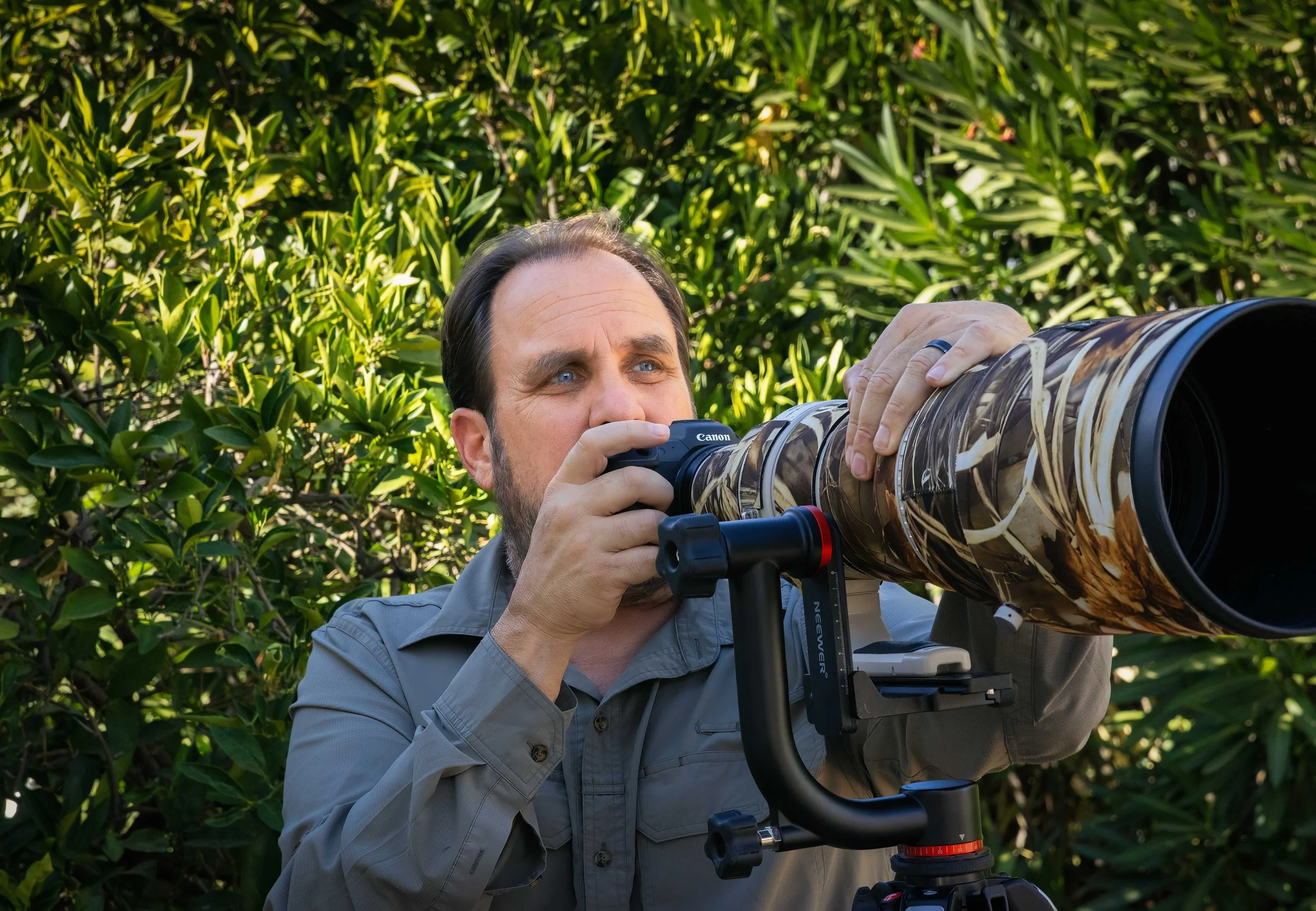
Christopher Forslund is a wildlife and bird photographer whose work focuses on natural light, behavior, simple compositions, and the relationship between a subject and its environment.
Chris has been photographing for much of his life, but in recent years birds and wildlife have become the primary focus of his work. His photographs have been recognized in national and international competitions and exhibitions, including the National Wildlife Federation Photo Contest, and his image Curtsy was selected for the Winter 2026 cover of National Wildlife Magazine.
Teaching has also become an important part of his photography. Through Birds and Backroads, Chris leads workshops and works one on one with photographers in the field and online. His approach is practical and centered on many of the same things you'll work on during this workshop: understanding light, recognizing behavior, finding better backgrounds and perspectives, and learning to make more deliberate decisions before pressing the shutter.


Ready to Spend Five Days in the Field?
Over five days we'll photograph in wetlands, the Sonoran Desert, Burrowing Owl habitat and private photography hides in Southern Arizona. More importantly, we'll spend that time working on the decisions that consistently make a difference in bird photography.
With only six photographers, we'll have plenty of time to work individually with each participant while still having the flexibility to respond to the light, wildlife and opportunities we encounter throughout the week.
If you're ready to spend five days concentrating on your bird photography and learning to recognize those opportunities a little differently, we'd love to have you join us.
Early Registration: $2,495
Standard Registration: $2,995
$750 reserves your space.
Limited to 6 photographers.